The research behind the games

Caught in the same net

A ray, a turtle, a shark and a tiny porpoise. They look totally different, yet all four are in danger of disappearing forever, mostly for the same reasons. Here is their story.

The four problems they all share

Fishing nets

Saws, shells, hammer shaped heads, even little porpoises: all of them tangle in fishing nets really easily. Most of the time the boats were after something else entirely. They just got stuck. Scientists call this bycatch.

Hunted for parts

People pay a lot of money for fins, saws and patterned shells. Selling these parts between countries is against the law now, yet it still happens in secret.

Losing their homes

They grow up in shallow water near the coast: mangrove forests, coral reefs and quiet beaches. People keep building over exactly these places.

Slow to grow up

They take many years to become adults and raise only a few babies. When many are lost, it takes a very, very long time for their numbers to recover.

Meet the four

Sawfish · all 5 species endangered

Yes, it is a ray, a flat cousin of sharks! Its saw, a long nose edged with teeth, is brilliant for hunting fish, yet it tangles in nets almost instantly, even old lost ones drifting in the sea. Baby sawfish grow up hiding among mangrove roots, and a sawfish reaches full size at about 8 to 10 years old. They have vanished from over half the places they used to live; their last big strongholds are northern Australia and Florida.

Hawksbill sea turtle · critically endangered

Named for its beak, shaped like a hawk's. Turtles must swim up for air, and a turtle tangled in a net underwater is held away from the surface it needs to breathe. For hundreds of years its beautiful patterned shell was made into jewellery and combs (that is what "tortoiseshell" actually was). A hawksbill starts having babies only at 20 to 30 years old, older than a lot of teachers have been teaching!

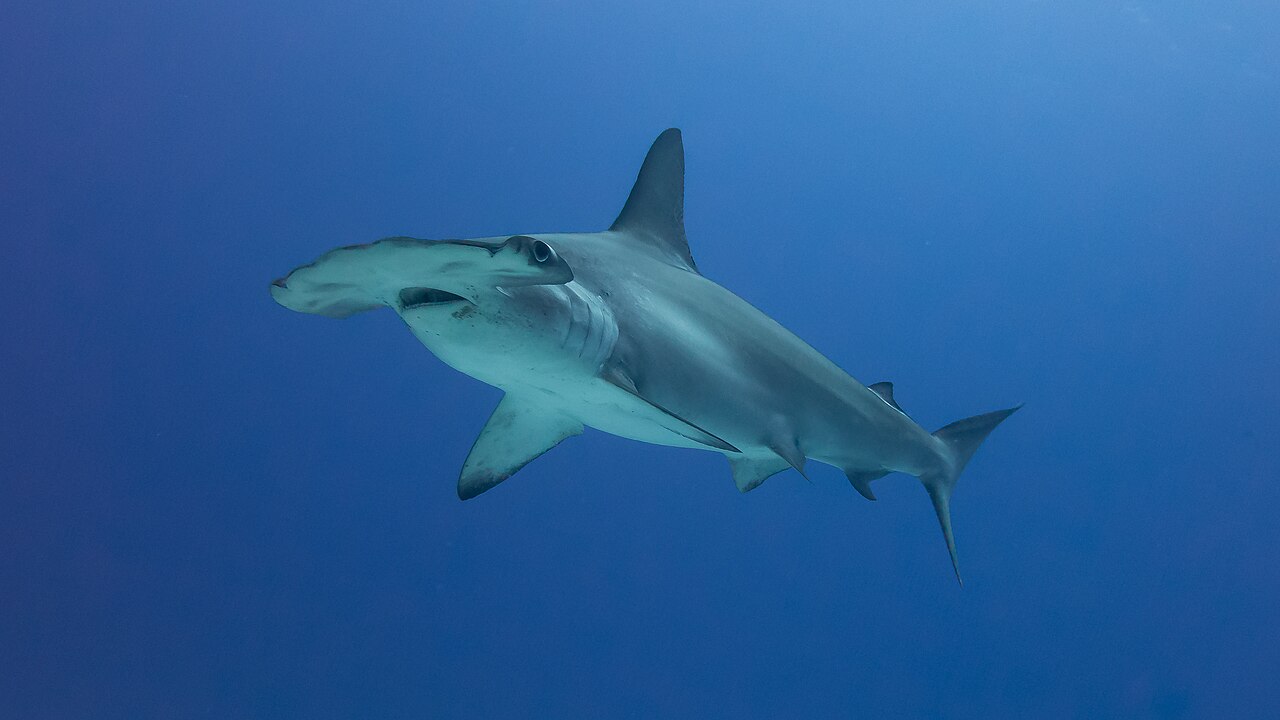
Scalloped hammerhead shark · critically endangered

Its wide head is packed with super senses for finding prey, and around fishing nets it gets stuck just like a sawfish's saw. Its fins are among the most expensive in the shark fin trade, and hammerheads swim in huge schools, so one boat in the wrong place can catch a whole group at once.

Vaquita · only about 10 left

The world's smallest porpoise, and its rarest sea mammal. The vaquita is caught purely by accident: the gillnets that drown them are set illegally for a fish called the totoaba, whose swim bladder sells for huge money. It lives in just one place on the whole planet, the very top of Mexico's Gulf of California, and a mother has one baby every one or two years, so every single one matters.

Same problems, different bodies

ProblemSawfishHawksbillHammerheadVaquita
NetsSaw gets tangledHeld under, away from airHead gets stuckDrowns in illegal gillnets
Hunted forSaws and finsIts shell (tortoiseshell)FinsCaught purely by mistake
Home in dangerMangrove forestsReefs and beachesShallow baysJust one home on Earth
Grown up atAbout 8 to 10 years20 to 30 yearsMany years1 baby every 1 to 2 years

The good news

We know exactly what the problems are, and protecting these animals works. Where nets are banned and nursery homes are kept safe, in places like northern Australia, Florida and guarded turtle beaches, the animals hang on. The vaquita is the starkest warning: with only about 10 left, its future depends on getting every last illegal net out of its small corner of the sea. Saving them is a choice we already know how to make.

What you can do

  • Look for the sustainable seafood label when your family shops
  • Keep balloons and plastic bags out of the sea, because turtles mistake them for jellyfish
  • Choose souvenirs that leave shells, fins and saws on the animals
  • Tell someone the vaquita's story, and help the world get to know it

Learn more & help

Danger levels come from the IUCN Red List. This page is based on Mia's school research project, Caught in the Same Net.